The 1960s File Feature
Don't Go Near The Eskimos
"Don't Go Near The Eskimos" — Ben Colder's Comic Twist on a Hit Travel back to late 1962, when novelty records held a cherished place on the charts and a wel…
01 The Story
"Don't Go Near The Eskimos" — Ben Colder's Comic Twist on a Hit
Travel back to late 1962, when novelty records held a cherished place on the charts and a well-timed parody could find a real audience alongside the serious hits. Into that playful corner of pop stepped Ben Colder, the comedic alter ego of a popular country entertainer, with "Don't Go Near The Eskimos." It is a tongue-in-cheek send-up built to make listeners laugh, a reminder that humor has always had a home on the radio and a place on the national charts.
The Art of the Musical Parody
Ben Colder was a comic persona known for poking fun at the popular songs of the day, reworking familiar tunes into deliberately absurd versions. This approach had a long tradition in American music, where parody songs offered a wink to listeners who knew the originals well. The recording belongs to that beloved lineage of comedy records, trading on exaggeration and silliness to earn its laughs. The title alone signals the playful, irreverent spirit that the entertainer brought to all of his comic work. By taking a well-known song and twisting it toward the ridiculous, Colder gave audiences the pleasure of recognition combined with the surprise of the unexpected. The comic persona itself was part of the act, a character whose very name promised listeners that they were in for something lighthearted rather than serious.
The Craft Behind the Comedy
Writing a successful parody is harder than it appears, because the humor has to land while the song still functions as a song. The performer must capture enough of the original to trigger recognition, then steer it somewhere absurd without losing the melody that made it memorable in the first place. Colder understood that balance, delivering his comic version with enough commitment to sell the joke while keeping it musically intact. That skill is why his comedy records found real audiences rather than being dismissed as throwaways. A parody that works requires a genuine ear for music as well as a sense of humor, and his recordings demonstrated both.
A Brief Chart Appearance
Novelty records often burned bright and fast, and this one followed that pattern. The single debuted on the Billboard Hot 100 dated November 24, 1962, entering at number 90. It climbed quickly over the next few weeks, moving to 80, then 68, then up to 62. The song peaked at number 62 on the chart dated December 15, 1962, then slipped back to 70 the following week as its novelty momentum cooled. It spent just 6 weeks on the Hot 100, a short run typical of comedy records that capitalized on a moment before audiences moved on to the next laugh. That brief but lively chart life is the natural arc of a parody, which depends on timing and freshness rather than the slow build of a serious hit.
Comedy as a Chart Tradition
The early 1960s were a fertile time for novelty and comedy songs, with audiences happily embracing humor between the romantic ballads and rock-and-roll numbers. Parody records like this one provided lighthearted relief and a sense of shared fun. They worked best when listeners recognized the source material, turning the joke into a kind of inside reference shared across the country. Colder's recording thrived on exactly that knowing connection with its audience, rewarding anyone familiar with the song it gently mocked. The presence of comedy on the charts reflected a pop landscape that was broad enough to make room for laughter.
A Footnote With Charm
While it never aimed to be a lasting standard, the song captures a specific and delightful aspect of early-1960s pop culture, the willingness to laugh at the very hits that dominated the airwaves. It stands as a small, cheerful artifact of an era when comedy and music mixed freely on the charts. For anyone curious about the lighter side of the period, it offers a genuine smile and a window into a time when novelty songs were a regular and welcome part of the radio diet. Press play and enjoy the gentle silliness of a different time.
"Don't Go Near The Eskimos" — Ben Colder's singular moment on the 1960s charts.
02 Song Meaning
The Meaning Behind "Don't Go Near The Eskimos" by Ben Colder
This is a comedy record, and its meaning lies entirely in the joke. "Don't Go Near The Eskimos" exists to entertain, a playful parody that takes a familiar musical idea and twists it toward the absurd. Understanding the song means understanding the long tradition of musical humor it belongs to, a tradition built on the simple pleasure of a clever laugh shared among many.
Parody as Affectionate Mockery
The heart of the song is gentle satire, the act of poking fun at the popular music conventions of its day. The humor depends on exaggeration and silliness, turning a recognizable formula into something deliberately ridiculous. This is not mean-spirited comedy but affectionate teasing, the kind that lets listeners laugh along with the source rather than at anyone's expense. The whole point is to find the absurdity hiding inside something familiar and bring it cheerfully to the surface. The best parodies come from a place of fondness, and this one treats its target with a wink rather than a sneer.
The Shared Joke
A parody only works when the audience is in on it, and that is part of what gives this record its charm. The comedy creates a sense of community, a wink between the performer and listeners who recognize what is being spoofed. In an age before instant media sharing, novelty songs spread these jokes across the country, giving people a common source of laughter. The song's meaning, then, is partly social, a small piece of shared cultural fun passed from one listener to the next. To get the joke was to feel part of a larger conversation happening over the airwaves.
Humor in the Pop Landscape
The early 1960s embraced novelty and comedy songs as a legitimate part of the charts, sitting comfortably beside the era's love ballads and rock numbers. This track reflects a time when audiences welcomed humor as part of their musical diet, a counterweight to the seriousness of other hits. Comedy records offered relief and lightness, proving that the charts had room for laughter as well as romance and rebellion. They were a beloved fixture of the radio experience, a sign that pop music did not always need to take itself seriously to find an audience.
The Value of Pure Fun
There is a quiet lesson in the song's existence, a reminder that entertainment for its own sake has genuine worth. Not every song needs to carry a deep message, and the comedy record celebrates that freedom openly. By aiming purely at amusement, the song offers listeners a moment of unguarded delight, free of any heavier purpose. That cheerful modesty is exactly what makes it endearing, a small dose of joy in an otherwise crowded chart.
Why It Mattered
The appeal of "Don't Go Near The Eskimos" lies in its simple commitment to making people smile. Comedy songs rarely aspire to deep meaning, and that is exactly their gift, a moment of pure, uncomplicated fun. This record captures the playful side of early-1960s pop culture, a willingness to not take everything too seriously. For listeners then and curious explorers now, it stands as a reminder that music has always known how to laugh at itself, offering joy in its lightest and most disarming form.
→ More from Ben Colder
View all Ben Colder hits →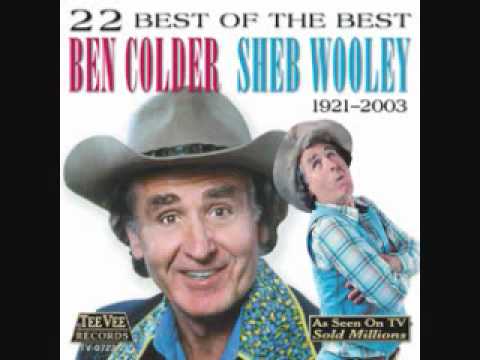

→ More from the 1960s File
View all 1960s hits →




Keep digging