The 1960s File Feature
Tracks Of My Tears
Tracks Of My Tears by Aretha Franklin: The Queen Reimagines a Classic There are some songs so closely tied to their original performers that covering them fe…
01 The Story
"Tracks Of My Tears" by Aretha Franklin: The Queen Reimagines a Classic
There are some songs so closely tied to their original performers that covering them feels like a dare. "The Tracks of My Tears" was one of those songs, a heartbreak masterpiece that had already entered the canon. So when Aretha Franklin set her own voice to it at the close of the 1960s, she was stepping onto sacred ground. What she brought to the material was unmistakably hers: gospel fire, technical brilliance, and a depth of feeling few singers in history could match.
Aretha at the Height of Her Reign
By 1969, Aretha Franklin had earned the title that would follow her forever: the Queen of Soul. A remarkable run of recordings had transformed her into one of the most powerful figures in American music, a singer whose every release commanded attention. She was a force on the charts, a voice of the era, an artist who could find the emotional core of any song and lay it bare. Within that context, her decision to record a beloved heartbreak ballad was a statement of confidence. She was not merely covering a song; she was claiming it, bending it toward her own extraordinary gifts and showing what her instrument could do with material already considered untouchable.
A Voice That Finds New Depths
The song itself is a portrait of hidden anguish, of a smile worn to disguise a broken heart. In Aretha's hands, that ache takes on new dimensions. Where the original glided on its smooth, aching elegance, her version brings a rawer, more searching intensity, the kind of vocal commitment that turns a pop song into a confession. She digs into the melody, stretching and shaping phrases with the instinct of a master, letting her gospel roots color every line. The arrangement supports rather than competes with her, leaving space for the voice to soar and crack and rebuild. It is a reminder of how thoroughly a great interpreter can transform familiar material into something that feels newly discovered.
A Brief Run on the Hot 100
Despite the power of the performance, this particular recording made only a modest mark on the Billboard Hot 100. It debuted on March 15, 1969, at number 91 and moved cautiously, holding at 91 a second week before climbing to 80 and then up to its high point. The single peaked at number 71, reached during the week of April 5, 1969, and spent a total of six weeks on the Hot 100. For an artist of Aretha's stature, a peak outside the top half of the chart was a comparatively quiet showing. The song's familiarity may have worked against it commercially, since listeners already had a definitive version in their ears. Even so, the recording stands as a fascinating document of one giant interpreting the work that others had made famous.
A Worthy Entry in a Towering Catalog
Within the vast and celebrated body of work that Aretha Franklin left behind, this cover occupies a special niche. It is not among her signature smashes, yet it showcases the fearlessness that defined her artistry. She never shied away from a challenge, and reinterpreting a heartbreak classic was exactly the kind of risk that revealed her range. The track endures as a treat for devoted fans, a chance to hear one of the greatest voices ever recorded wrap itself around a song built for exactly that kind of emotional excavation.
Press Play and Hear the Mastery
Cue up Aretha Franklin's reading of "Tracks Of My Tears" and prepare to hear a familiar song reborn. This is interpretive singing at its finest, a master vocalist meeting a great composition on her own terms. Let it play, and listen to the Queen of Soul do what only she could.
"Tracks Of My Tears" — Aretha Franklin's singular moment on the 1960s charts.
02 Song Meaning
What "Tracks Of My Tears" by Aretha Franklin Is Really About
"The Tracks of My Tears" is a song about masking pain, about the desperate human effort to hide a shattered heart behind a cheerful face. It is one of popular music's most enduring portraits of concealed grief, and in Aretha Franklin's interpretation, that hidden sorrow becomes almost unbearably vivid. The song understands that the deepest heartbreak is often the kind we feel we must hide from the world.
The Mask Over the Wound
The lyric's central image is the trace of weeping that lingers after the tears are wiped away, the evidence of grief that no smile can fully conceal. The theme is emotional concealment, the way a person in pain performs happiness to spare others the truth. The narrator pleads for someone to look closer, to see past the practiced grin to the suffering underneath. It is a portrait of loneliness within heartbreak, the isolation of carrying sorrow that no one else can see.
Anguish Made Audible
Emotionally, the song lives in the gap between appearance and reality. Aretha Franklin's voice exposes that gap with extraordinary force, conveying the exhaustion of pretending to be fine. Her delivery turns the song's polished sorrow into something rawer and more immediate. The artistic message is one of vulnerability: the longing to be truly seen and understood, even in one's darkest moments. Few singers could make that yearning feel as real as she does.
A Universal Heartbreak
The cultural staying power of this song rests on its universality. The instinct to hide our pain behind a brave face is something nearly everyone recognizes. The theme of the hidden broken heart spoke powerfully to listeners across the soul era and beyond, transcending any single moment in time. Its emotional honesty made it a touchstone, a song people reached for when their own grief felt invisible.
Why It Continues to Resonate
The recording endures because it captures a feeling everyone knows and few can articulate. The plea to be seen behind the mask is among the most relatable sentiments in popular song. In Franklin's hands, that plea gains the weight of lived experience, an authenticity that cuts straight to the listener's own heart. Generations later, it remains a powerful companion for anyone who has ever smiled through their tears. There is a particular comfort in hearing such a private struggle voiced aloud by a singer of Franklin's stature, as if she is giving permission to admit what we usually hide. The song reassures the listener that their concealed pain is real and worthy of recognition. That validation, delivered through one of the greatest voices in recorded music, is precisely why the recording continues to move people who discover it anew.
→ More from Aretha Franklin
View all Aretha Franklin hits →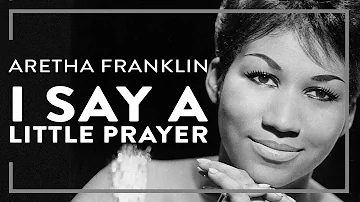


→ More from the 1960s File
View all 1960s hits →




Keep digging