The 1960s File Feature
Almost There
"Almost There" — Andy Williams and the Art of the Graceful Ballad The Williams Sound in 1964 Late 1964 was a complicated moment to be releasing a gentle pop …
01 The Story
"Almost There" — Andy Williams and the Art of the Graceful Ballad
The Williams Sound in 1964
Late 1964 was a complicated moment to be releasing a gentle pop ballad. The Beatles had arrived in America that February and the entire ecosystem of mainstream pop was reorganizing itself around the new energies coming from Britain. Columbia Records artists who had dominated the easy listening and adult pop worlds of the early decade were suddenly navigating a market that had shifted beneath their feet. Andy Williams, who had built one of the most successful careers in the genre through the late 1950s and early 1960s, understood the moment but was not about to abandon the aesthetic that had made him one of television and radio's most reliably popular presences.
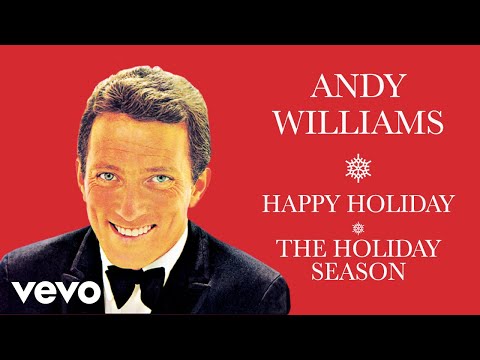
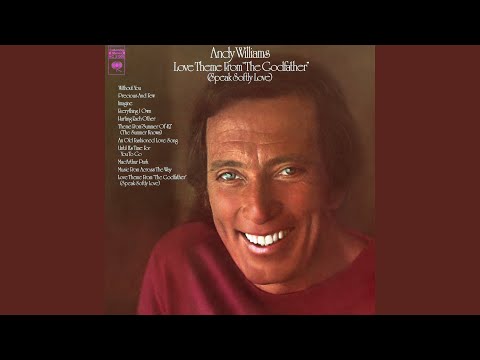
Andy Williams was one of the biggest-selling recording artists of the early 1960s, his warm baritone and impeccable phrasing making him the definitive voice of a certain strain of American pop romanticism. His television variety show, which had debuted in 1962, gave him a platform that most recording artists could not match, reaching millions of viewers weekly with performances that reinforced his image as the consummate entertainer. By 1964, his name alone was enough to generate radio attention for any release.
The Chart Story in the Autumn of 1964
Released in November 1964, "Almost There" debuted on the Billboard Hot 100 on November 14, entering at number 96. The song climbed quickly through its first weeks on the chart: 77 the following week, then 67 on November 28. That position of 67 proved to be the track's peak, which it held for two consecutive weeks before slipping to 79 in mid-December. The total chart run of five weeks was modest by Williams's standards but reflected the compressed pop market of that autumn, when British Invasion acts were occupying significant chart real estate.
The timing of the release during the holiday season meant that "Almost There" competed for radio attention during one of the most contested periods of the radio year, when Christmas material and end-of-year summary programming ate into the available airtime for new single releases. Williams's name recognition helped the song cut through enough to generate five weeks of Hot 100 visibility, even if the peak could not match his earlier commercial heights from the pre-Beatles American pop era.
Andy Williams as Transitional Figure
The story of Andy Williams in the mid-1960s is partly a story about how certain artists survived the British Invasion not by competing with it but by consolidating their appeal to audiences who valued something different. The adult contemporary listener who appreciated Williams's smooth craft and careful romantic sincerity was not necessarily the same person rushing to buy Beatles records or Beach Boys albums. Williams understood his audience and served it consistently, maintaining a commercial viability that many of his pre-British-Invasion contemporaries lost during the same period.
His Columbia recordings from this era feature immaculate orchestral arrangements paired with vocal performances that prioritized taste and musicality over the kind of raw energy that the new British and American rock acts were offering. "Almost There" was exactly that kind of record, a beautifully constructed adult pop single that asked nothing difficult of its listener except a willingness to sit with a lovely melody and a voice perfectly suited to deliver it.
A Career That Stretched Beyond Any Single Moment
The modest chart performance of "Almost There" was a footnote in a career of substantial proportions. Williams's discography extended across more than five decades, taking in jazz standards, easy listening, country crossover, and Christmas perennials. His version of "Moon River" from the Breakfast at Tiffany's soundtrack had become virtually synonymous with his name. Against that larger backdrop, a number 67 peak in November 1964 is simply one moment in a long and productive career.
The lasting quality of "Almost There" as a listening experience has less to do with its chart statistics than with its demonstration of Williams's craft at a moment when pop music was transforming rapidly around him. He sounds utterly comfortable in the material, a singer who knew exactly what he was doing and why. Play it with that context in mind and the appeal becomes entirely clear.
"Almost There" — Andy Williams's singular moment on the 1960s charts.
02 Song Meaning
"Almost There" — Longing, Anticipation, and the Grammar of Romance
The Power of the Almost
There is something psychologically precise about the word "almost" as the central term of a love song. It positions the narrator in a state of pure anticipation, close enough to what they want to believe in it, far enough away to still be in suspense. The emotional territory of "almost there" is one of the richest in romantic experience, the stage at which hope and anxiety are in their most productive tension, before certainty arrives to dissolve one or the other. Andy Williams's treatment of that territory is characteristically understated, finding the emotional depth in the phrase without overstating it.
American Pop Romanticism in the Kennedy-Johnson Era
The adult pop tradition that Andy Williams represented in 1964 carried a specific set of values about romantic expression. It believed in decorum, in the possibility of lasting love, in the idea that emotion could and should be expressed through beauty rather than rawness. These were not naive values; they reflected a genuine aesthetic position about what popular music was for and what it could achieve at its best.
The early 1960s had been the high water mark of this tradition in American pop, before the British Invasion shifted the center of gravity toward rock energy and the youth counterculture. Songs like "Almost There" represented the tradition at full maturity, confident in their craft and their emotional intelligence even as the commercial landscape was shifting beneath them. There was nothing defensive about this music; it knew what it was doing.
Williams's Interpretive Gift
One of the things that distinguished Williams from other ballad singers of his era was his interpretive sensitivity, the ability to inhabit a lyric without imposing himself on it. He was not a singer who used songs primarily as vehicles for vocal display. The voice served the material rather than dominating it, which meant that the emotional content of the lyric came through clearly rather than being filtered through layers of technical demonstration.
That interpretive restraint is one of the qualities that makes "Almost There" work as a listening experience five decades after its release. The anticipation the song describes does not feel manufactured; it feels like something a person actually experiencing that emotional state would express if they had Williams's voice and the right arrangement behind them. The sincerity is the point, and Williams delivered it without apparent effort.
The Context of Romantic Optimism
Songs about romantic anticipation rather than romantic achievement carry a particular kind of hope that is easy to undervalue. They describe the stage of experience that most people remember as among the most vivid and most alive, the period when a relationship is still full of possibility. That emotional territory is timeless in the most literal sense, available to any listener in any decade who has ever experienced the specific electricity of believing that something wonderful is about to begin.
Williams's performance connects to that experience without sentimentalizing it, which is the achievement of good adult pop at its most effective. The song does not promise that the relationship will succeed; it simply captures the feeling of believing it might, and does so with enough precision and beauty to make that feeling vivid for anyone willing to listen.
"Almost There" — Andy Williams's singular moment on the 1960s charts.
→ More from Andy Williams
View all Andy Williams hits →


→ More from the 1960s File
View all 1960s hits →




Keep digging