The 1950s File Feature
Eternally
Eternally: Thomas Wayne With the Delons and a Fleeting 1959 MomentMemphis in 1959 was churning out sounds at a remarkable rate. The studios were busy, young …
01 The Story
Eternally: Thomas Wayne With the Delons and a Fleeting 1959 Moment
Memphis in 1959 was churning out sounds at a remarkable rate. The studios were busy, young singers were walking through doors with big dreams, and somewhere in that ferment, a teenager named Thomas Wayne Perkins stepped up to a microphone and cut a record that would carry him, briefly, onto the national chart. The story of Eternally is the story of a moment seized and then, almost as quickly, released.
Thomas Wayne and the Memphis Scene
Thomas Wayne was part of the extended musical ecosystem that surrounded Sun Records and the broader Memphis recording community in the late 1950s. He was, significantly, the older brother of guitarist Luther Perkins, who played with Johnny Cash in the Tennessee Two. That family connection placed Thomas Wayne inside one of the most creatively charged circles in American music at the time. He recorded for Fernwood Records, a small Memphis label, and his vocal style reflected the crossover territory between rockabilly and the smoother teen pop that was beginning to dominate the charts. The Delons provided vocal harmonies that softened his sound toward something more radio-friendly.
The Sound of Gentle Romance
Where Thomas Wayne's bigger hit, Tragedy, leaned into a more dramatic and melancholy mode, Eternally moved in a different direction. The track was lighter, more tender, built around the kind of pledging-forever romantic sentiment that teenagers in 1959 responded to readily. The production reflected the Fernwood aesthetic: clean, relatively spare, with the voice front and center. It was a straightforward love song aimed squarely at the pop market rather than the rockabilly crowd.
One Week on the Hot 100
The chart story of Eternally is brief by any measure. The song debuted and peaked on May 11, 1959 at number 92, appearing just once in the Billboard Hot 100 before dropping off. Its run lasted a single week. That kind of fleeting chart presence wasn't unusual in the late 1950s, when the Hot 100 was a fluid and competitive space with hundreds of regional records jostling for position each week. A one-week appearance still meant national distribution, radio play in multiple markets, and a real audience beyond the Memphis city limits.
Life After the Chart
Thomas Wayne had already demonstrated his commercial potential with Tragedy the same year, which performed considerably better. Eternally arrived in the wake of that earlier record, and while it didn't replicate its success, it confirmed that Wayne was a working artist capable of producing polished pop material. He continued recording through the early 1960s, though he never recaptured the chart momentum of his initial burst. His life was cut short in 1971, which lent a particular poignancy to revisiting his catalog decades later. Over 714,000 YouTube views suggest that his recordings, including this brief chart entry, still draw curious listeners searching for the sound of late-1950s Memphis pop.
The Wider Context of 1959 Teen Pop
The spring of 1959 was dominated by a range of styles: the Platters, Fabian, Bobby Darin, and Frankie Avalon were all active on the chart. Eternally fit comfortably within the teen-pop corner of that world, a sincere vocal performance aimed at the same market that was buying records in their millions. Its brevity on the chart shouldn't diminish it; making the Hot 100 at all, from a small regional label, was no small achievement. Press play and hear what a young Memphis singer sounded like when he turned his voice toward forever.
“Eternally” — Thomas Wayne's singular moment on the 1950s charts.
02 Song Meaning
Eternally: Pledging the Infinite in Three Minutes
Love songs that invoke eternity are almost as old as popular music itself. What made Eternally by Thomas Wayne With the Delons interesting in 1959 was the particular emotional register it occupied: not the operatic grandeur of a big ballad, but the quiet, earnest sincerity of a young man meaning every word he says.
The Promise as Theme
The song's emotional architecture rested on the making of a vow. The narrator addressed himself directly to the subject of his affection, committing to a love that would persist without limit or qualification. This was the essential fantasy of early rock era romance: that the intensity of feeling in the present moment would simply continue, unchanged, into an unspecified future. Teenagers in 1959 embraced that idea readily because it matched the overwhelming quality of first love, the sense that what you were feeling was unprecedented and permanent.
Tenderness Over Drama
Where some late-1950s love songs reached for high melodrama, Eternally stayed closer to the ground. The vocal delivery was warm rather than tortured, the harmonies provided by the Delons adding a supportive softness to the pledge. This tonal choice made the song feel sincere rather than theatrical, which was an important distinction for younger listeners who could detect the difference between genuine feeling and performance. The lightness of the production allowed the lyrical sentiment to carry the weight without competition from the arrangement.
The 1959 Romantic Landscape
Young Americans in 1959 were navigating romance in a world shaped by very specific social expectations. Going steady was a formal ritual; love songs provided the emotional script for feelings that daily life didn't always allow space to express. A song that simply, plainly, said "I will love you forever" answered a genuine need. It gave words to what teenagers felt but couldn't always articulate in conversation. The brevity of its chart run doesn't diminish its function; it arrived, served its purpose, and left a small mark.
Listening Across the Decades
What you hear today when you encounter Eternally is a window into a very specific emotional world. The production sounds of 1959 can seem remote to contemporary ears, but the emotional content is entirely legible. The longing to make a permanent commitment to another person hasn't changed across generations; only the musical language used to express it has evolved. Thomas Wayne's voice, young and unguarded, carries the kind of conviction that time hasn't dulled. The song remains a small, clear artifact of how love sounded when it was trying to say something that would last.
→ More from the 1950s File
View all 1950s hits →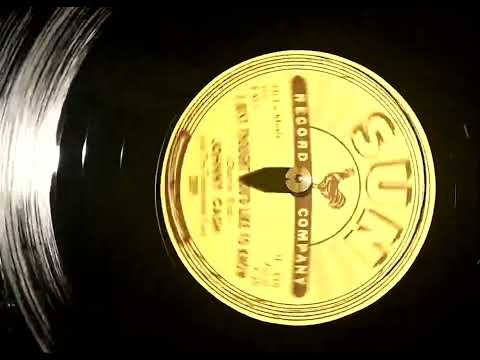


Keep digging