The 1950s File Feature
Pledging My Love
Pledging My Love: Roy Hamilton's Timeless VowPicture the closing weeks of 1958: transistor radios crackled in kitchen windows, sock-hop season was winding do…
01 The Story
Pledging My Love: Roy Hamilton's Timeless Vow
Picture the closing weeks of 1958: transistor radios crackled in kitchen windows, sock-hop season was winding down, and American popular music was caught in a fascinating in-between moment. Rock and roll had shaken the foundation, yet the market for rich, orchestrated ballads remained enormous. Into that gap stepped Roy Hamilton, a baritone from Leesburg, Georgia, whose voice could fill a concert hall without a microphone or empty one with its sheer emotional gravity.
A Voice Built for Something This Big
By the time Pledging My Love arrived in late 1958, Hamilton was not a newcomer. He had already impressed audiences earlier in the decade with dramatic gospel-inflected performances that leaned on the big-band lushness of the pre-rock era. His delivery had a quality that set him apart from many of his contemporaries: absolute conviction. When Hamilton sang a lyric about devotion, listeners did not wonder whether he meant it. The phrasing, the breath control, the way a vowel stretched at precisely the right moment: all of it suggested a man who had lived the sentiment rather than rehearsed it.
The Song Itself and Its Origins
The song has a deeper history than Hamilton's recording suggests. Pledging My Love was originally recorded by Johnny Ace in 1954, and that version became an R&B landmark, all the more poignant because Ace died on Christmas Day of that year. By 1958, the song had already accumulated a kind of mythological weight in American music culture. Hamilton's interpretation did not try to replicate Ace's intimacy; instead, it expanded the arrangement, wrapped the melody in strings and a full orchestral backing, and pushed the devotional themes into something approaching the grandeur of a church processional. The result was a ballad that felt both timely and strangely eternal.
Chart Life and Reception
The Billboard chart journey for this recording was modest by the standards of a certified hit: the single debuted on November 17, 1958, climbing steadily over several weeks before peaking at number 45 on December 29, 1958. It spent a total of twelve weeks in circulation on the pop chart, a respectable run for a recording that was operating in a market crowded with teen idols, novelty records, and the first tremors of the coming Motown revolution. The pop chart peak does not tell the whole story; Hamilton's audience was broad, crossing racial and genre lines at a time when those lines were policed far more rigidly than most listeners today might imagine.
Legacy in a Changing Industry
What makes Hamilton's career and this recording particularly interesting is how they straddled two worlds. He was a Black artist working in the American South's shadow, recording for Epic Records, achieving crossover recognition that few of his contemporaries managed in the early 1950s. By the end of the decade, the industry was shifting fast beneath everyone's feet. The lush orchestral ballad was being challenged by simpler, harder-edged sounds. Yet Pledging My Love (in both the Ace and Hamilton versions) survived those shifts. The song has been covered dozens of times across multiple decades, finding new audiences in each era, from pop to soul to country interpretations. Hamilton himself continued recording and performing into the 1960s, his vocal power intact even as the hitmaking machinery around him changed.
Why It Still Matters
There is something in the song's core sentiment that resists obsolescence. The imagery at the heart of the lyric draws on nature as a metaphor for permanence: loving someone for as long as rivers run, as long as stars keep their place. It is a rhetorical move as old as poetry itself, and Hamilton's voice gives it physical weight. When you hear the recording now, the decades between its creation and today seem to compress; the devotion sounds immediate, not archival. Press play and let that baritone remind you why some songs outlast the charts that once measured them.
“Pledging My Love” — Roy Hamilton's singular moment on the 1950s charts.
02 Song Meaning
Pledging My Love: What the Vow Actually Means
Love songs built around promises are as old as human expression, but few have articulated the act of pledging with quite the ceremonial seriousness that runs through Pledging My Love. The song is not a flirtation or an infatuation; it is a declaration, the verbal equivalent of signing your name to something that cannot be taken back.
The Language of Permanence
At the lyric's center sits an ancient rhetorical device: natural imagery used to measure endurance. The singer invokes rivers, stars, and seasons not because they are decorative details but because they represent forces that humans cannot alter or stop. The implicit argument is that the love being pledged is equally beyond human interference. This is the language of the marriage vow and the sacred oath, applied to a pop song — and it works precisely because the form elevates the emotional content into something that feels contractual rather than merely sentimental.
Grief, Legacy, and the Johnny Ace Connection
The song carries an extra layer of meaning that was impossible to separate from its cultural circulation in the 1950s. When Johnny Ace recorded it in 1954 and then died violently before the year ended, the song became bound up with loss and the idea that a voice pledging eternal love had itself been silenced. Every subsequent version existed in conversation with that fact. Hamilton's recording does not reference Ace explicitly, but any listener of the era would have heard the shadow. A song about never leaving now carried the knowledge that some departures are permanent.
Devotion as Identity
There is something worth examining in the possessive confidence of the lyric's narrator. This is not a singer who worries about rejection or reciprocity; the pledge goes out into the world as a statement of identity rather than a question seeking an answer. The narrator seems to say: this is who I am, defined by this love. That kind of certainty was enormously appealing to postwar American audiences navigating a culture that simultaneously encouraged romantic idealism and was beginning to ask hard questions about what such idealism might cost.
Why Listeners Kept Coming Back
The song's durability across cover versions and decades suggests it touches something genuinely archetypal. Whether performed with the spare intimacy of Ace's original, the orchestral grandeur of Hamilton's version, or any of the country and soul interpretations that followed, the core message stays legible. The promise of unconditional, enduring love is one of the few things that transcends genre convention. Listeners return to songs like this not because the world has changed but precisely because the world keeps changing and the human need for that kind of constancy only deepens in response.
The Emotional Architecture
Hamilton's vocal performance itself functions as part of the meaning. A lighter voice might make the pledge sound sweet but insubstantial. That deep, controlled baritone lends the words a gravity that matches their content — you hear a man who understands what he is committing to. The orchestral arrangement reinforces this: the strings swell not to add sentimentality but to reflect the scale of what is being promised. Together, voice and arrangement create an emotional architecture that makes the pledge feel real, not just pretty.
→ More from the 1950s File
View all 1950s hits →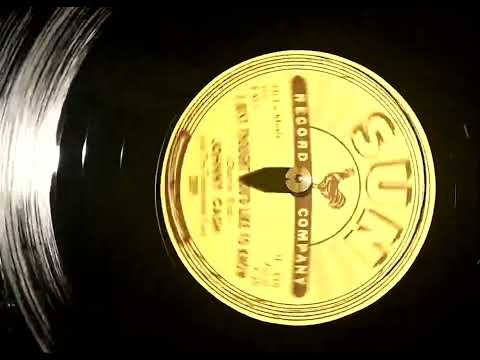



Keep digging