The 1950s File Feature
Come To Me
Come To Me by Marv Johnson: The Sound That Helped Launch a Label Picture Detroit in 1959, a city humming with musical ambition, where a young songwriter and …
01 The Story
"Come To Me" by Marv Johnson: The Sound That Helped Launch a Label
Picture Detroit in 1959, a city humming with musical ambition, where a young songwriter and entrepreneur was laying the groundwork for what would become a cultural empire. Marv Johnson stood at the very beginning of that story. His single "Come To Me" holds a special place in music history, an early recording connected to the birth of one of the most important record companies the world would ever know.
A Voice at the Dawn of a Movement
Marv Johnson was a talented young singer in Detroit's vibrant rhythm and blues scene at the close of the 1950s. He became an early collaborator with the visionary songwriter and producer who was just beginning to build his musical enterprise in the city. "Come To Me" is historically significant as one of the first recordings associated with that founder's earliest label venture, a precursor to the legendary company that would soon transform American popular music. Johnson's smooth, appealing voice made him an ideal artist for these formative recordings. He stood at the ground floor of a movement that would change the sound of pop, soul, and R&B forever.
An Early Detroit R&B Gem
The song itself is a warm, melodic piece of late-1950s rhythm and blues, showcasing Johnson's smooth vocal delivery and an arrangement rooted in the sounds of the era. The production blends R&B feeling with pop accessibility, hinting at the crossover formula that the Detroit sound would later perfect. Johnson sings it with charm and sincerity, his voice gliding over the melody with easy grace. There is an appealing simplicity to the recording, the sound of a young artist and a young enterprise finding their footing. It offers a fascinating glimpse of the musical seeds from which an empire would grow. You can hear, in its warm melody and smooth vocal, the early stirrings of the crossover sound that would later dominate the charts. The record carries an unmistakable freshness, the energy of talented people building something new from the ground up. That sense of beginnings gives the song a charm that extends well beyond its musical qualities.
A Strong Run on the Hot 100
On the Billboard Hot 100, "Come To Me" performed well for an early independent release. The single debuted on March 16, 1959, at number 98 and climbed steadily, moving to 78, then 74, then 63 and 49 in successive weeks. It ultimately peaked at number 30, reached during the week of May 18, 1959, and it enjoyed a substantial 15-week run on the Hot 100. A placement in the top thirty was an impressive achievement, particularly for a recording tied to a fledgling operation. The lengthy chart run reflects how well the song connected with audiences, an early sign of the magic that the Detroit sound would soon unleash on the world.
A Footnote of Real Historical Weight
In the larger story of Marv Johnson and American music, "Come To Me" carries significance well beyond its chart numbers. As one of the early recordings connected to the founding of a legendary label, it holds a meaningful place in the history of one of the most influential music enterprises ever created. Johnson himself would go on to further success, but this early hit remains a touchstone. The track endures as a fascinating piece of music history, a glimpse of the very beginnings of a sound that would soon conquer the globe.
Press Play and Hear History Begin
Cue up "Come To Me" and step back to the dawn of the Detroit sound. It is a warm, charming slice of late-1950s rhythm and blues with real historical weight. Turn it up and hear where a musical revolution began.
"Come To Me" — Marv Johnson's singular moment on the 1950s charts.
02 Song Meaning
What "Come To Me" by Marv Johnson Is Really About
"Come To Me" is a heartfelt invitation to love, a tender plea for someone to draw closer and share in a romance. It expresses longing and devotion in the warm, sincere style of late-1950s rhythm and blues. The song speaks directly to a beloved, asking them to come and be loved, and that simple, earnest appeal gives it an enduring emotional warmth.
A Plea for Closeness
At its heart, the lyric is a request for intimacy and connection, the singer reaching out to invite a loved one near. The central theme is romantic longing, the desire to close the distance between two people and share in love. The invitation is gentle and sincere, free of games or pretense, expressing a straightforward wish to be together. That directness and warmth give the song its tender, appealing quality, the sound of someone speaking honestly from the heart. There is no pretense in the plea, only a sincere wish to be close to the one he loves.
Sincerity and Warmth
Emotionally, the song radiates earnest devotion. Johnson's smooth, heartfelt delivery conveys genuine feeling, the sound of a young man opening his heart. The message is one of hope and affection, the belief that love can flourish if only the beloved will answer the call. That sincerity, set against a warm R&B arrangement, is the essence of the song's charm and its lasting, heartfelt appeal.
Romance at the Dawn of a Sound
The song reflects the romantic sensibility of late-1950s rhythm and blues, a style built on heartfelt emotion and smooth vocal delivery. This was a formative era for the sounds that would shape soul music in the decade to come. As one of the early recordings connected to a legendary label's founding, the song hints at the emotional directness that would define the Detroit sound. For listeners, it offered a tender, relatable expression of love.
Why It Still Resonates
The song endures because its sentiment is timeless. The longing to be close to someone you love is among the most universal of human desires. Johnson's warm, sincere performance gives that longing a voice of genuine feeling. Decades later, it remains a charming expression of romantic invitation, a tender plea that still speaks to the heart. There is a disarming honesty to its simple request, free of the cynicism that can creep into love songs. The desire to bridge the distance to a beloved is something everyone recognizes, and the song voices it with gentle directness. That sincerity, combined with its place at the dawn of a historic musical movement, gives the recording a lasting appeal that transcends its modest chart numbers.
→ More from Marv Johnson
View all Marv Johnson hits →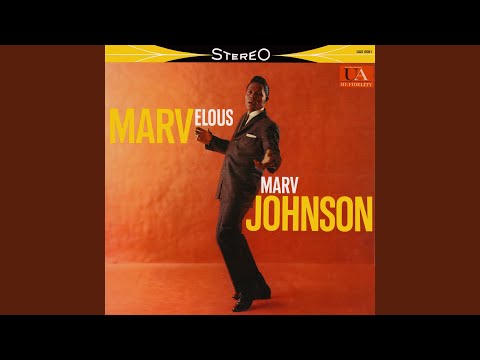


→ More from the 1950s File
View all 1950s hits →



Keep digging