The 1950s File Feature
Teen Angel
The Tragic Romance of Teen Angel by Mark Dinning Picture the closing days of the 1950s, when American radio was filled with a peculiar and popular genre: the…
01 The Story
The Tragic Romance of "Teen Angel" by Mark Dinning
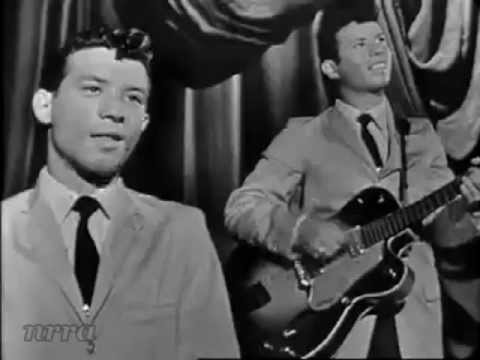
Picture the closing days of the 1950s, when American radio was filled with a peculiar and popular genre: the teenage tragedy song, where young love met a sudden, melodramatic end. Mark Dinning delivered one of the most famous examples with this haunting ballad about a girl who dies trying to retrieve a keepsake from a car stalled on the railroad tracks. It was morbid, sentimental, and utterly irresistible to the teenagers who made it a sensation, capturing a particular flavor of doomed romance that defined the era.
A Singer and a Genre Meet Their Moment
Mark Dinning was a young singer when this song became his defining hit and one of the signature entries in the teenage tragedy genre. The style, which dramatized the deaths of young lovers, held a strange fascination for late-1950s audiences. "Teen Angel" was written by Jean and Red Surrey, and its tale of fatal devotion struck a powerful chord. The song's emotional extremity, its willingness to wallow in heartbreak and death, made it a standout even within a genre built on melodrama, securing Dinning's place in pop history.
The Sound of Sentimental Heartbreak
Musically, the track is a slow, mournful ballad built for maximum emotional impact. Dinning's voice carries the weight of grief, delivering the tragic narrative with earnest, aching sincerity. The arrangement is soft and stately, leaving room for the story to unfold in all its sorrowful detail. There is no irony here, no distance; the song commits fully to its tragedy, asking the listener to weep along with the bereaved narrator. That total emotional commitment is precisely what made the teenage tragedy genre so compelling to its young audience.
A Swift Rise on the Hot 100
The chart story shows the song catching fire quickly. "Teen Angel" debuted on the Billboard Hot 100 on December 21, 1959, at number 100, then leaped dramatically the following week. The single jumped to number 50 during the week of December 28, 1959, its rapid climb signaling the momentum that would soon carry it much higher in the new year. This chart data covers its initial 2 weeks on the Hot 100, capturing the explosive start of a song that would become one of the most memorable tragedy ballads of its time. Its swift ascent reflected the powerful pull it exerted on listeners.
The Curious Rise of the Tragedy Song
The teenage tragedy song was one of the more fascinating phenomena of late-1950s and early-1960s pop, a genre that turned the deaths of young lovers into chart-topping entertainment. These songs tapped into the heightened emotions of adolescence, dramatizing love and loss with an intensity that spoke directly to teenage listeners. While adults may have found the genre morbid or excessive, young audiences embraced it, finding in these tragic ballads a safe outlet for their own romantic fears and feelings. The popularity of such songs reflected a culture increasingly focused on the experiences and emotions of its youth, a recognition that teenagers represented a powerful new market with distinct tastes. This song stands as one of the genre's defining examples, and its success helped cement the tragedy ballad as a recognizable and commercially viable style during this peculiar chapter of pop history.
A Defining Entry in a Strange Genre
Within the story of late-1950s pop, this song stands as one of the most iconic examples of the teenage tragedy ballad. It captured a peculiar cultural fascination with young love cut short by sudden disaster, a theme that would recur throughout the era. With 1 million YouTube views, the track continues to draw listeners curious about this unusual and emotionally intense genre. It remains a perfect, if morbid, time capsule of a moment when American pop music found drama in the deaths of its young romantic heroes.
Press Play and Feel the Sorrow
Cue this one up to experience the teenage tragedy genre at its most emblematic. Let Mark Dinning's mournful voice carry you through the heartbreaking tale, and you will understand why this strange, sentimental style captivated the youth of the late 1950s. It is melodrama rendered with total conviction.
"Teen Angel" — Mark Dinning's singular moment on the 1950s charts.
02 Song Meaning
What "Teen Angel" Is Really About
This Mark Dinning classic is a tragic tale of young love and sudden death, a song about a teenage girl who dies in an accident and the grief of the boyfriend she leaves behind. It belongs to a genre that found powerful emotion in the dramatization of doomed romance.
A Love Cut Short
The heart of the song is its tragic narrative. The story tells of a girl who dies retrieving a token of her boyfriend's love from a stalled car, a detail that transforms her death into an act of devotion. That fatal loyalty is the emotional core, suggesting a love so deep it cost her life. The song treats the tragedy as a testament to the intensity of young romance, however melodramatic the circumstances.
Devotion Beyond Death
Beneath the sorrow runs a theme of eternal love. The grieving narrator continues to cherish his lost love, imagining her as an angel watching over him. That sense of devotion persisting beyond death gives the song its sentimental power. It offers a kind of comfort within the tragedy, the idea that true love is not ended even by death. This romanticization of loss was central to the genre's appeal among young listeners.
A Reflection of a Cultural Fascination
The song embodies the late-1950s preoccupation with teenage tragedy as a pop music theme. It reflected a cultural moment when young audiences found a thrilling, cathartic emotion in songs about doomed love. These tragedy ballads allowed teenagers to experience intense feelings safely, channeling their own romantic anxieties into dramatic stories. The genre spoke to the heightened emotions of adolescence, however exaggerated its scenarios.
The Romance of Tragedy
Part of what made these songs so compelling was the way they romanticized loss itself. The tragedy elevated the love to something heroic and eternal, untouchable by the ordinary disappointments of life. A love ended by death could never fade, never grow stale, never disappoint; it remained forever pure and perfect in memory. That dark romanticism held a powerful appeal for young listeners, offering a vision of devotion so absolute that even death could not diminish it. The song trades on this idea, presenting the lost love as an angel watching over the bereaved, transforming grief into a kind of sacred bond. It is a sentimental and melodramatic notion, but one that spoke deeply to the emotional extremes of adolescence.
Why It Still Resonates
The theme of love lost too soon carries a timeless emotional weight. The song's portrayal of grief and enduring devotion keeps it memorable, even as its melodrama marks it as a product of its era. For listeners curious about a vanished pop tradition, it offers a window into how an earlier generation processed love, loss, and mortality through song.
→ More from Mark Dinning
View all Mark Dinning hits →

→ More from the 1950s File
View all 1950s hits →



Keep digging