The 1950s File Feature
What Do I Care
What Do I Care — Johnny CashThe Man in Black Finds His FootingThere is a version of Johnny Cash's story that begins with I Walk the Line and then jumps to th…
01 The Story
What Do I Care — Johnny Cash
The Man in Black Finds His Footing
There is a version of Johnny Cash's story that begins with I Walk the Line and then jumps to the prison concerts and the American Recordings renaissance, skipping the middle decades almost entirely. But the late 1950s were the years when Cash was establishing himself as something genuinely new in American music: not quite country, not quite rockabilly, something harder-edged and more philosophically weighted than either. By 1958, he had become a fixture on the charts and a star of considerable magnetism.
The Sound of 1958 Cash
The Sun Records era Cash, recorded with the stripped-down lineup of the Tennessee Two, had a particular sound that was unlike anything else on radio that year. The upright bass and rhythm guitar locked together into something almost hypnotic, and Cash's voice sat low and authoritative above it, as though the man had already thought through every argument and arrived at his conclusions before opening his mouth. What Do I Care fit this template precisely: a track that used sparse arrangement and Cash's distinctive baritone to maximum effect.
The Chart Run
The single entered the Billboard Hot 100 on October 20, 1958, debuting at number 90. It climbed steadily through the following weeks, passing number 83 and then reaching its peak of number 69 on November 10, 1958, over a four-week chart run. That modest peak tells only part of the story: Cash was simultaneously charting with multiple singles that year, and his primary chart action tended to happen on the country charts rather than the pop Hot 100. The pop crossover, even partial, illustrated how broadly his appeal stretched.
Cash at the Columbia Crossroads
By late 1958, Cash was in the process of moving from Sun Records to Columbia, a shift that would define the next phase of his career. The transition meant bigger budgets, more elaborate production options, and a wider commercial platform, but it also created a period of creative tension as he found his footing in a new environment. What Do I Care belongs to the final Sun-era recordings, capturing Cash in the stripped-down context that had made him famous before the fuller arrangements of Columbia took hold.
Small Moment, Large Legacy
Within Cash's catalog, What Do I Care occupies the modest role of an album track that found brief chart life rather than a career-defining moment. Yet those modest chart tracks, viewed collectively, reveal how consistently Cash was connecting with audiences during this period. He did not build his legend on one or two spectacular peaks; he built it through an accumulating weight of conviction and authenticity across hundreds of recordings, each one delivered as though the stakes were genuinely high.
Give it a spin and hear what American music sounded like when it was still figuring out what it wanted to be.
“What Do I Care” — Johnny Cash's singular moment on the 1950s charts.
02 Song Meaning
What What Do I Care Really Means — Johnny Cash
Indifference as Survival Strategy
The rhetorical question embedded in the title of What Do I Care sets up an entire emotional posture before a single lyric has been delivered. The phrase belongs to a long tradition in country music: the singer who has been wounded by love or circumstance and is declaring, loudly enough to convince both the listener and himself, that the wound no longer hurts. This is the emotional territory of defiant recovery, the moment after heartbreak when a person decides, however provisionally, to stop caring.
The Cash Stoicism
What makes a Cash delivery of this sentiment distinct from the countless other country singers who visited similar ground is the weight of his voice. When Cash expressed indifference, it sounded earned rather than performed, as though the emotional conclusions he reached in his songs came from genuine reckoning rather than theatrical posturing. The stoicism in his vocal approach gave every statement of not caring a strange dignity: you believed him, even as you sensed the effort behind the composure.
Country Music and Masculine Vulnerability
The late 1950s were a moment when country music was developing its particular grammar for male emotional expression. Open vulnerability was rarely the mode; what was permitted was stoicism, determination, or the kind of defiant indifference that What Do I Care embodies. This was not dishonesty or repression so much as a stylized form of emotional honesty: acknowledging pain through its apparent dismissal, saying more by pretending to say less.
The Listener's Mirror
For audiences who had experienced the specific sting of being left, or let down, or overlooked, a song that modeled dignified detachment offered something genuinely useful. The listeners in truck stops and roadhouses and living rooms across the South could hear in Cash's measured delivery an example of how to carry loss without being destroyed by it. That practical emotional function, the song as a model of behavior rather than just an expression of feeling, is deeply embedded in country music's purpose and What Do I Care serves it faithfully.
The song's modesty on the charts should not obscure what it accomplished: a few minutes of tough-minded comfort for anyone who needed to hear that they could get through something difficult without it showing too much on their face.
→ More from the 1950s File
View all 1950s hits →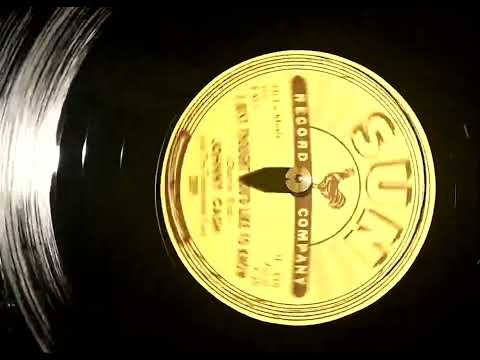


Keep digging