The 1950s File Feature
Tucumcari
Tucumcari Jimmie Rodgers and the American Road in 1959 A Name That Sounds Like a Destination There is something in the word Tucumcari that does half the song…
01 The Story
Tucumcari — Jimmie Rodgers and the American Road in 1959
A Name That Sounds Like a Destination
There is something in the word "Tucumcari" that does half the song's work before the music starts. The New Mexico town, sitting along Route 66 between Albuquerque and Amarillo, carried in 1959 all the romantic associations of the American West: open highway, neon motel signs, the particular loneliness of long distances. When Jimmie Rodgers recorded Tucumcari, he was tapping into a geography that mid-century Americans could feel in their chests, the pull of the road and everything it promised and withheld.
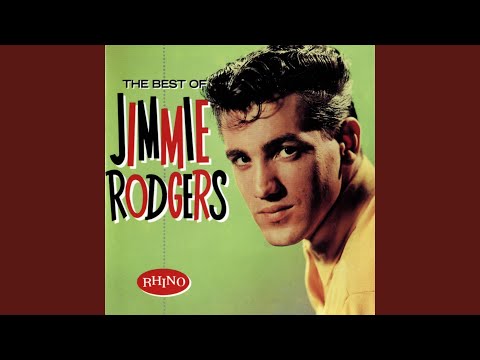
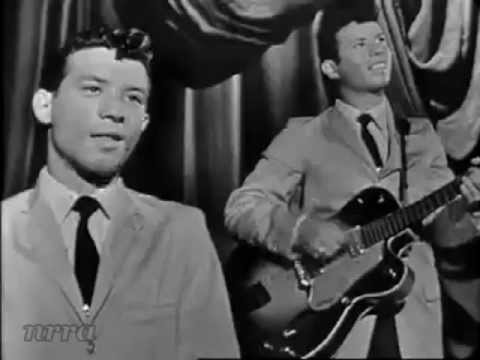
Jimmie Rodgers in 1959
Not to be confused with the country music pioneer of the same name who died in 1933, this Jimmie Rodgers was a pop and folk stylist who had broken through in 1957 with the phenomenon of "Honeycomb," a number one hit that established him as one of the most charming and commercially astute performers of the late 1950s. By 1959, he had accumulated a string of solid hits and was a recognized presence on pop radio. His vocal style, warm, unpretentious, and naturally suited to storytelling material, made him an ideal vehicle for songs about places and journeys. He understood how to make geography feel personal.
Climbing to the Top 40
Tucumcari debuted on the Billboard Hot 100 on September 21, 1959, entering at number 88. Its ascent was swift and purposeful: by the week of October 12, 1959, it had reached its peak of number 32, placing it firmly in top-40 territory. The single spent nine weeks on the chart in total, a solid run that reflected genuine radio traction across multiple markets. That peak put it among the better performances of Rodgers' catalog from this period, demonstrating that his audience remained loyal and his ear for material remained sharp.
Route 66 and the American Imagination
In 1959, Route 66 was still the living artery of American travel, not yet a nostalgia object but an actual highway that families and drifters and dreamers drove every summer. The television show Route 66 would debut in 1960, capturing the cultural current that Rodgers was already tapping. Songs about towns along the highway, about the people and landscapes that constituted the American interior, were connecting with listeners who either knew those places from their own travels or aspired to. Tucumcari specifically was a notable stop on that road, known for its motels and its visual signature of flashing neon against the desert sky.
Pop Folk at the Edge of a New Era
Jimmie Rodgers occupied a particular niche in late 1950s pop: the gentle, story-driven vocalist who could cross between pop and country without fully belonging to either. His recordings from this period have aged into something that sounds quietly irreplaceable, documents of an American sensibility that was already fading by the time the British Invasion arrived five years later. Tucumcari is one of the finer examples of that style, a song that trusts melody and place-name alone to conjure an entire emotional landscape. Press play and let Route 66 unspool in your imagination.
The late 1950s pop market rewarded artists who could deliver material that felt both familiar and fresh, and Jimmie Rodgers had a rare ability to find that balance. His recordings from this period reflect a man who understood his instrument and his audience equally well, who knew that a warm voice and a good melody could do more for a song than any amount of production sophistication. Tucumcari benefited from that philosophy: the arrangement stays out of the way of the song, letting the place name and the melody carry the emotional weight.
Rodgers would continue recording and performing through the 1960s, but the late 1950s period remains his commercial and creative peak. Looking back at this body of work, the consistency of quality is striking. He approached every recording with the same combination of professionalism and warmth, and the results have aged with remarkable dignity. Tucumcari is one of the cleaner examples of that approach, a record that sounds as fresh and direct today as it did when it first reached the Hot 100.
"Tucumcari" — Jimmie Rodgers' singular moment on the 1950s charts.
02 Song Meaning
Miles and Longing: The Emotional Geography of "Tucumcari"
Place as Feeling
Songs that take their title from a specific location are making a particular kind of bet: that the place name itself carries enough associative weight to do emotional work before the lyrics even begin. Tucumcari wins that bet almost immediately. The name of the New Mexico town is rhythmically satisfying, its four syllables falling naturally into musical phrases, but its real power in 1959 was geographic and emotional. For American listeners of that era, Tucumcari was Route 66, and Route 66 was freedom, escape, longing, and the vast horizontal promise of the American interior. Jimmie Rodgers understood that to sing about Tucumcari was to sing about all of that at once.
The Road as Romantic Space
American popular culture in the late 1950s was deeply invested in the road as a site of meaning. The Beats were writing about it, Hollywood was filming it, and the expanding interstate highway system was making automobile travel the central American experience. Songs set on or near famous highways participated in this larger cultural conversation about mobility, freedom, and what it meant to keep moving in a country that equated motion with health and stasis with failure. The road song as a genre carried within it both the joy of departure and the melancholy of distance, and Rodgers's vocal delivery was perfectly calibrated to hold both registers simultaneously.
Loneliness and the Western Landscape
The American Southwest in the popular imagination of 1959 was a space simultaneously beautiful and desolate, a landscape that amplified whatever the traveler brought to it. Tucumcari, sitting in the high desert of eastern New Mexico, offered exactly this kind of emotional amplification. A song set there could be about romance, loss, homecoming, or departure, and the landscape would validate any of those themes. The specificity of the place name grounded what might otherwise have been a generic romantic lyric, giving it texture and credibility. Listeners who had driven through Tucumcari on Route 66 could place themselves in the song's geography; those who had not could imagine it with enough detail to feel present.
Jimmie Rodgers and the Art of the Relatable Narrator
Part of what made Rodgers so effective at material like this was his vocal persona: warm, accessible, not performing sophistication or emotional distance but speaking directly and without self-consciousness. The narrator of Tucumcari is someone the listener can identify with, someone experiencing the familiar combination of longing and movement that defined a particular kind of American life in the postwar years. That identification is the emotional mechanism the song depends on, and Rodgers delivers it without forcing the effect. His is the voice of a man you might meet at a diner along the highway, someone with a story and the plain language to tell it.
What "Tucumcari" Represents in the Pop Folk Tradition
By the late 1950s, American pop music was in a transitional period, rock and roll had disrupted the old order but had not yet consolidated its dominance, and there was space for performers like Rodgers to work in a style that blended country storytelling with pop accessibility. Tucumcari sits in that middle ground: too gentle for rock, too contemporary for pure country, it found its audience in the broad mainstream of American radio. Songs like this one represent a kind of American innocence that is easy to patronize in retrospect but was genuinely felt at the time, a belief that the road could carry you somewhere better and that the right song could make the miles mean something. The cultural moment that produced this record was brief, but the record itself has lasted.
→ More from Jimmie Rodgers
View all Jimmie Rodgers hits →

→ More from the 1950s File
View all 1950s hits →

Keep digging