The 1950s File Feature
Hey Little Girl
The Tender Charm of Hey Little Girl by Dee Clark Picture the tail end of the 1950s, when rock and roll had settled into a sweeter, more melodic groove and a …
01 The Story
The Tender Charm of "Hey Little Girl" by Dee Clark
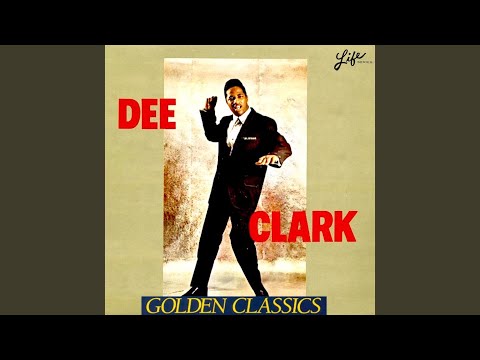
Picture the tail end of the 1950s, when rock and roll had settled into a sweeter, more melodic groove and a smooth-voiced singer could melt hearts on the radio with a single well-turned phrase. Dee Clark was one of those voices, blessed with a clear, expressive tenor and an easy charm that made him a natural for the era's romantic pop-soul. In late 1959 he delivered a gentle, irresistible plea of a song that climbed comfortably into the upper reaches of the Hot 100 and helped cement his standing as one of the period's most appealing young singers.
Where Dee Clark Stood in 1959
By 1959, Dee Clark had established himself as a rising star in the world of rhythm and blues and pop crossover. His warm, agile voice had already made him a familiar name, and he was building a catalog of melodic hits that showcased his gift for tender, heartfelt delivery. The late 1950s were a sweet spot for singers who could bridge R&B and mainstream pop, and Clark moved between those worlds with ease. This single arrived during a productive stretch, adding another solid hit to a career that was very much on the upswing. The late 1950s rewarded singers who could deliver melody and emotion in equal measure, and Clark possessed both gifts in abundance. He was not a shouter or a showman but a stylist, the kind of vocalist who could win over an audience with subtlety and warmth. That approach served him well during these years, when his records were finding a steady and appreciative audience on the pop charts.
The Sound of the Song
The record is a model of late-1950s romantic pop-soul, built on a gentle, swaying rhythm and Clark's smooth, yearning vocal. The arrangement keeps things tender and uncluttered, with soft backing harmonies and a melody that lingers in the memory. Clark's voice carries the song's pleading sentiment with genuine warmth, the sound of a young man trying to win over the girl who has caught his eye. It is the kind of sweet, sincere performance that defined the era's gentler side of rock and roll, charming rather than aggressive, all heart and no edge.
A Strong Run Up the Hot 100
The single performed well, marking one of Clark's better chart showings. It debuted on the Billboard Hot 100 on August 24, 1959, entering at number 86. From there it climbed quickly and decisively, leaping to 61, then 48, then 27, before reaching its peak of number 20 during the week of September 21, 1959. Impressively, the record spent fifteen weeks on the Hot 100, a long and healthy run that reflected real and lasting popularity. Cracking the top 20 and holding on for that many weeks confirmed Clark's standing as a genuine hitmaker.
Its Place in Dee Clark's Legacy
While Dee Clark is perhaps best remembered for his later signature hit, this earlier single is a key part of his story. It demonstrated his consistency and his gift for warm, melodic balladry at a moment when he was establishing himself as a dependable chart presence. The song captures the sweet, romantic spirit of late-1950s pop at its most appealing, and it stands as a fine example of Clark's vocal charm. For anyone exploring the gentler corners of the era, it is a small treasure. It also reflects the broader sound of a moment when rock and roll was softening into something more melodic and radio-friendly, a transition that singers like Clark navigated with grace. His warm, expressive voice was perfectly suited to that evolving landscape, and this single shows exactly why he became such a dependable presence on the charts. The record remains a fine document of a gifted singer at a confident stage of his career.
Put it on and let Dee Clark's smooth, heartfelt voice sweep you back to the tender pop romance of 1959.
"Hey Little Girl" — Dee Clark's singular moment on the 1950s charts.
02 Song Meaning
What "Hey Little Girl" Is Really About
This is a song of pure romantic yearning, a sweet and sincere plea from a young man hoping to catch the attention of a girl he admires. There is nothing complicated about its message, and that simplicity is its strength. It captures the universal experience of romantic hope, the nervous excitement of wanting someone to notice you. Dee Clark delivers it with such warmth that the sentiment feels both timeless and utterly genuine.
The Central Theme of Romantic Longing
At its core the song is about desire and pursuit, the hopeful courtship at the start of a possible romance. The singer reaches out to the object of his affection, expressing his feelings and hoping they will be returned. It is the eternal story of young love, told with the gentle earnestness that defined so much late-1950s pop. The lyric trades in hope rather than heartbreak, looking forward to a romance that may yet blossom. There is an innocence to the pursuit, the sense of a young man who has not yet been disappointed in love and still believes that sincerity will carry the day. That hopefulness gives the song its sweetness and keeps it firmly on the sunny side of romance.
The Emotional Register
The feeling the song conveys is tender vulnerability. There is a sweet nervousness in the plea, the sense of a young man putting his heart on the line. Clark's smooth, yearning delivery captures that mix of hope and uncertainty perfectly. The emotion is gentle and sincere, free of the swagger that some rock and roll favored, which makes it all the more endearing. It is the sound of genuine romantic longing, unguarded and warm.
The Cultural Moment of 1959
The late 1950s were a high point for sweet, melodic pop built around young love. Romance was the dominant subject of the era's hit songs, and tender ballads about courtship filled the airwaves. A gentle plea like this one fit perfectly into a landscape that prized sincerity and melody. The song belongs to a moment when pop music spoke directly and unironically to the hopes of young hearts.
Why It Resonates
The reason this song endures is the timelessness of its central feeling. The hope of winning someone's affection is something everyone understands, and a warm, melodic performance brings that hope vividly to life. Listeners hear their own romantic longings reflected in Clark's tender plea, which is why the song still charms decades later. Its sweetness and sincerity give it a lasting appeal that transcends its era. The nervous hope of reaching out to someone you admire is a feeling every generation rediscovers, and Dee Clark gave it a voice that still sounds tender and true.
→ More from Dee Clark
View all Dee Clark hits →

→ More from the 1950s File
View all 1950s hits →

Keep digging