The 1950s File Feature
Itchy Twitchy Feeling
Itchy Twitchy Feeling: Bobby Hendricks and the Infectious Summer of 1958There's a particular joy to the records that emerged from the New York rhythm-and-blu…
01 The Story
Itchy Twitchy Feeling: Bobby Hendricks and the Infectious Summer of 1958
There's a particular joy to the records that emerged from the New York rhythm-and-blues scene in the late 1950s, a kind of irrepressible bounce that felt almost physically demanding, as if the music itself was insisting you get up and move. Bobby Hendricks understood this assignment completely. His debut solo single arrived in the summer of 1958 carrying a title that practically described its own effect on listeners: Itchy Twitchy Feeling was precisely what it promised, a song you felt in your feet before your brain had time to process the lyrics.
From the Coasters to His Own Name
Bobby Hendricks came to his solo moment by way of a singing group that shaped the sound of late-1950s pop: he had been a member of the Coasters during part of their formative period, absorbing the group's playful, theatrically charged approach to rhythm and blues. When he stepped out on his own with Sue Records, a New York independent label with strong connections to the emerging R&B market, he brought that sensibility with him. The solo venture was a gamble, as it always is when a singer leaves a successful ensemble, but Hendricks had the personality and the pipes to make the bet worthwhile.
The Architecture of a Dance Record
What makes Itchy Twitchy Feeling work as a piece of music is its commitment to pure physical momentum. The rhythm section locks into a groove that allows almost no exit; the guitar punctuations come in exactly the right places to keep the energy climbing. Hendricks's vocal delivery matches the arrangement perfectly, trading in the exaggerated expressiveness that the Coasters had popularized, all swoops and gasps and comic asides that served a serious musical purpose. The production is tight without being sterile, loose enough to swing but controlled enough to hold its shape across repeated plays. For a dance floor in 1958, this record was a weapon.
Climbing the Charts Through the Fall
The song's chart life was longer and more sustained than a simple debut novelty might have managed. It entered the Billboard charts in August 1958 and worked its way up steadily over several weeks, reaching its peak position of number 25 on October 6, 1958. That ascent to the upper quarter of the chart, achieved over more than ten weeks of chart activity, spoke to the depth of the record's appeal. This was not a song that sparked briefly and faded; it found its audience and held it, crossing from R&B listeners into the broader pop market that the Hot 100 was beginning to map with its new methodology.
A Career in Context
Hendricks would record more sides over the years, but Itchy Twitchy Feeling remained his commercial apex. The solo career trajectory was one the music business of that era produced in abundance: a gifted performer who caught the zeitgeist perfectly once, then watched as trends shifted and the follow-up singles failed to replicate the original lightning. That pattern doesn't diminish what he achieved with the debut. The record stands as a representative document of how New York's R&B community sounded in 1958 at the height of its commercial influence, before the British Invasion would reshape the market entirely. For listeners who find it today, the feeling it produces remains exactly what the title advertises.
“Itchy Twitchy Feeling” — Bobby Hendricks's singular moment on the 1950s charts.
02 Song Meaning
Itchy Twitchy Feeling: When the Body Knows Before the Mind
Some love songs work through the intellect, piling up images and metaphors to describe romantic experience in terms you need to think about. Others bypass the brain entirely and head straight for the nervous system. Itchy Twitchy Feeling belongs to the second tradition, a song that uses the physical symptoms of infatuation to describe an emotional state that ordinary romantic vocabulary isn't quite equipped to handle.
The Body as Emotional Barometer
The central insight of the lyric is actually a sophisticated one, even if it arrives wrapped in comic exaggeration. Falling hard for someone does produce physical sensations that resist precise description: a restlessness, a distraction, a heightened awareness of your own skin. Hendricks's narrator catalogs these symptoms with the enthusiasm of someone who has just discovered them for the first time, and that sense of discovery is what makes the song feel alive rather than merely clever.
Comedy as Emotional Truth
The playful, almost theatrical delivery that Hendricks employs draws on a tradition within African American vocal performance that uses humor as a vehicle for genuine feeling. The comic exaggeration in the lyric and the vocal performance doesn't undermine the emotion; it communicates it in a way that polite restraint never could. By treating love as a kind of illness, complete with symptoms and suffering, the song captures something true about how overwhelming attraction actually feels from the inside. The laughter and the longing are inseparable.
The Cultural Moment of 1958
The song emerged at a moment when American teenagers were developing their own cultural vocabulary, separate from the adult world of crooners and ballads. Dance music that acknowledged the physical reality of desire, even in safely comic terms, occupied an important social function. It gave young listeners a shared language for experiences they were having but that the broader culture was still reluctant to discuss directly. Songs like Itchy Twitchy Feeling provided that language with a wink and a backbeat, which is why they spread so quickly through the networks of radio and record shops and school corridors.
Why It Still Works
The feeling the song describes hasn't aged because human biology hasn't aged. Anyone who has experienced the particular agitation of a new infatuation will recognize the portrait immediately, regardless of the decade in which they're hearing it. The production values are period-specific, but the emotional content is timeless, which is why the record continues to find new listeners more than six decades after it first appeared on the charts.
→ More from the 1950s File
View all 1950s hits →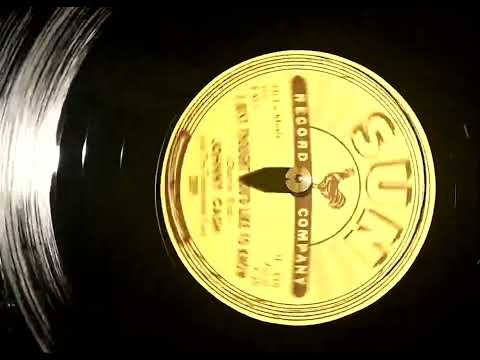



Keep digging