The 1950s File Feature
Smokie - Part 2
The Story Behind Smokie - Part 2 by Bill Black's Combo Instrumental rock and roll had a very specific job on late-1950s jukeboxes: get bodies moving without …
01 The Story
The Story Behind "Smokie - Part 2" by Bill Black's Combo
Instrumental rock and roll had a very specific job on late-1950s jukeboxes: get bodies moving without a single word getting in the way. Few groups understood that assignment better than Bill Black's Combo, and their late-1959 single "Smokie - Part 2" rode that formula into one of the era's more durable dance-floor hits.
From Elvis's Rhythm Section to Bandleader
Bill Black had made his name as the bassist in Elvis Presley's original trio alongside guitarist Scotty Moore, helping shape the sound of early rockabilly on Sun Records sessions in Memphis. After parting ways with Presley's touring band, Black formed his own combo and pursued a career built around instrumental singles, applying the same rhythmic drive that had powered Presley's early hits to a new, vocal-free format aimed squarely at dancers and jukebox play.
A Saxophone-Driven Groove
"Smokie" built its appeal around a greasy, insistent saxophone line riding a steady backbeat, the kind of arrangement that favored feel over complexity. Part 2, the B-side that ultimately became the hit, stretched the groove out further, giving radio and dancers an extended version of the same hook. That structure, releasing a song in two parts across a single's A and B sides, was a common trick of the era for squeezing extra mileage out of a strong instrumental idea.
A Slow Climb to a Real Hit
The single entered the Billboard Hot 100 on November 30, 1959, at number 98, then climbed steadily week over week, reaching number 65, then 48, then 28, before arriving at its peak of number 23 on December 28, 1959, for a run of five weeks on the chart. That kind of sustained upward climb, rather than a quick spike and fade, signaled genuine, growing radio and jukebox demand rather than a novelty flash.
Competing in a Crowded Instrumental Field
The late 1950s produced a wave of instrumental combos chasing the same jukebox dollar, from Duane Eddy's twangy guitar records to various sax-led outfits working the same dance-hall circuit. Bill Black's Combo distinguished itself with a slightly rawer, bluesier edge inherited directly from its bandleader's rockabilly roots, giving "Smokie" a grittier texture than much of its competition. Black had also briefly worked as a session player around Memphis after leaving Presley’s band, giving him a network of studio contacts that helped his own combo find a label and a producer willing to bet on an instrumental act.
A Blueprint for Instrumental Pop
Bill Black's Combo went on to chart repeatedly through the early 1960s with similarly groove-driven instrumentals, and "Smokie - Part 2" stands as an early proof of concept for that run. It captures a moment when a former sideman's rhythmic instincts, honed backing one of the biggest names in music, translated directly into hits under his own name. Drop the needle and feel why dancers couldn't resist it.
"Smokie - Part 2" — Bill Black's Combo's singular moment on the 1950s charts.
02 Song Meaning
The Meaning Behind "Smokie - Part 2"
As a pure instrumental, "Smokie - Part 2" carries no lyrics to interpret, and that absence is itself the point: the song's meaning lives entirely in its groove, its saxophone line, and the physical response it demands from listeners.
Music as Pure Sensation
Where vocal pop songs of the era traded in stories of teenage romance and heartbreak, instrumental dance records like this one offered something more immediate: rhythm and feel divorced from narrative. The title itself, evoking something hazy and smoldering, suggests atmosphere rather than any specific story, leaving listeners free to project their own late-night, smoky-room associations onto the sound.
The Saxophone as Voice
In the absence of lyrics, the saxophone functions as the song's true voice, bending and wailing in ways that suggest emotion and personality without a single word. That instrumental expressiveness was central to the appeal of late-1950s sax-led rock and roll, giving audiences a sense of raw feeling that a singer's precise diction couldn't always match.
A Jukebox Culture's Favorite Format
Instrumentals like "Smokie" thrived specifically because of how Americans consumed music at the time, on jukeboxes in diners and dance halls where a strong beat mattered more than a memorable lyric. The song's steady, danceable groove was engineered for exactly that environment, built to keep couples moving rather than to tell them a story.
Rhythm Section Instincts Made Audible
Black's background as a bassist shows through in how the track is constructed: the low end drives the arrangement as much as the saxophone does, a reminder that the song's meaning is really about groove architecture, how bass and drums lock together to create a physical pull on the listener's body. That same low end recalls the slap-bass tradition Black had helped popularize on Presley’s Sun Records sessions, a technique built entirely around rhythmic feel rather than melodic display. Radio programmers of the era also favored instrumentals precisely because they crossed over easily between pop and R&B playlists, a versatility that helped a groove-based single like this one reach a wider array of stations than a vocal record might have.
Why It Endured Beyond Its Chart Run
The steady, weeks-long climb up the charts suggests word-of-mouth momentum built on repeated jukebox plays rather than a single radio push. That slow-burn popularity reflects the song's core appeal: a groove durable enough to survive dozens of replays in the same room, night after night, without wearing out its welcome.
→ More from Bill Black's Combo
View all Bill Black's Combo hits →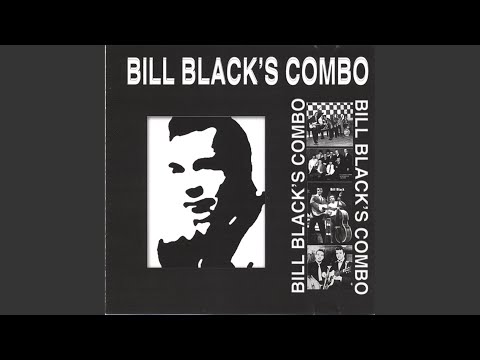

→ More from the 1950s File
View all 1950s hits →

Keep digging