The 1950s File Feature
Lonely Street
The Story of Lonely Street by Andy Williams Picture the autumn of 1959, when the smooth, sophisticated sound of the traditional pop crooner still held a cher…
01 The Story
The Story of "Lonely Street" by Andy Williams
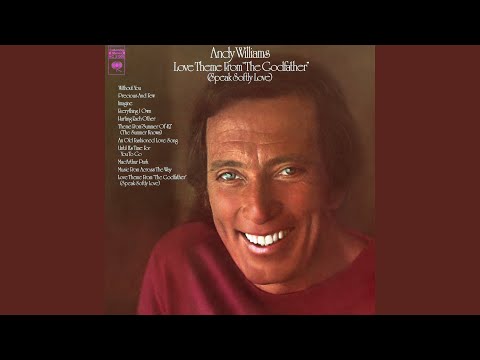
Picture the autumn of 1959, when the smooth, sophisticated sound of the traditional pop crooner still held a cherished place on American radio, even as rock and roll surged around it. Andy Williams was among the finest of those vocalists, blessed with a warm, effortless voice, and "Lonely Street" gave him one of the biggest hits of his early career.
A Crooner Comes Into His Own
By 1959, Andy Williams was building a reputation as one of the great American pop vocalists, an artist whose smooth, romantic style would eventually make him a beloved fixture of television and music for decades. "Lonely Street" arrived as a significant early hit, helping to establish him as a major recording star. The song showcased his warm, expressive voice and his gift for ballad interpretation, the qualities that would define his long and storied career.
Williams belonged to a tradition of polished, sophisticated vocalists who prized melody, mood, and emotional nuance. As rock and roll reshaped the musical landscape, artists like Williams kept the art of the classic pop ballad alive and thriving.
A Smooth, Melancholy Ballad
Musically, "Lonely Street" is a smooth, melancholy ballad built around Williams's velvet vocal and a lush, atmospheric arrangement. The production evokes the mood of its title, painting a picture of solitude and heartache through music. Williams delivers the song with restrained emotion, letting the melody and the feeling carry the listener. The arrangement is elegant and understated, the hallmark of quality traditional pop.
The track exemplifies the era's romantic pop sensibility, the kind of song built for late-night listening and quiet reflection. Williams's interpretation made it both sophisticated and deeply affecting. His gift was never showy display but emotional truth conveyed through control and warmth.
Williams belonged to a generation of vocalists who treated singing as interpretation, finding the heart of a song and serving it rather than overpowering it. That sensibility, increasingly rare as pop changed, gave his recordings a timeless elegance that has helped them endure long after their original chart runs.
A Strong Run on the Hot 100
On the Billboard Hot 100, "Lonely Street" proved a major success. The single debuted at number 72 on September 7, 1959 and climbed rapidly through the fall. It enjoyed a strong run of 16 weeks on the chart, ultimately peaking at number 5 during the week of November 9, 1959. That top-five placement confirmed Williams's arrival as a significant pop star and the broad appeal of his smooth vocal style.
The success helped launch the career that would make Williams a household name, an artist whose popularity endured for decades through records, concerts, and television. A top-five hit at this early stage established him as a major force, the kind of breakthrough that opens doors and builds lasting momentum.
From here, Williams would go on to become one of the most enduring entertainers of his generation, a fixture of American popular culture for many years to come. "Lonely Street" marked an important step on that journey, an early signal of the warmth and craft that would define his long reign.
Part of a Beloved Legacy
Within Andy Williams's long and celebrated career, "Lonely Street" stands as an important early hit, a song that helped establish his reputation as a premier pop vocalist. It belongs to the golden age of the traditional pop crooner, an era when smooth, sophisticated singing held a treasured place in American music. The song remains a favorite among fans of classic pop.
Its enduring appeal, reflected in roughly 616,000 YouTube views, speaks to the timeless quality of Williams's voice and the lasting charm of the classic pop ballad.
Press Play and Drift Away
Cue up "Lonely Street" and let Andy Williams's velvet voice carry you back to 1959, to a smooth, melancholy ballad from one of pop's great vocalists. It is an elegant, deeply affecting song worth rediscovering.
"Lonely Street" — Andy Williams's singular moment on the 1950s charts.
02 Song Meaning
The Meaning Behind "Lonely Street" by Andy Williams
"Lonely Street" is a song about heartbreak and solitude, using the image of a lonely street as a metaphor for the emotional landscape of loss. It captures the ache of being alone after love has faded, the sense of wandering through sorrow. The song explores loneliness with elegance and restraint, finding beauty in melancholy.
A Metaphor for Sorrow
The lyrics build their meaning around the image of a lonely street, a place that represents the emotional state of heartbreak and isolation. This metaphor gives the song its evocative power, turning an abstract feeling into a vivid, almost physical place. The lonely street becomes a destination for the brokenhearted, a symbol of the solitude that follows lost love. That image gives the song its haunting, atmospheric quality.
The Ache of Solitude
The emotional core of the song lies in its portrayal of loneliness. Rather than dramatic despair, the song conveys a quiet, lingering sorrow, the kind that settles in after a loss. Williams's restrained delivery captures that mood perfectly, expressing deep feeling without excess. The song frames loneliness as a melancholy to be felt rather than fought, a sorrow approached with grace.
The Romantic Pop Tradition
Culturally, the song reflects the traditional pop sensibility of the late 1950s, which prized emotional nuance, elegant melody, and sophisticated interpretation. Even as rock and roll surged, this style of romantic ballad held a cherished place. "Lonely Street" exemplifies that tradition, its tasteful exploration of heartbreak reflecting pop's gift for finding beauty in sorrow. The song belongs to an era that valued emotional subtlety. Listeners of the time appreciated restraint and craft, the sense that a great singer could convey heartbreak without ever raising his voice, and Williams excelled at exactly that kind of understated artistry.
Why It Resonated
The song connected with listeners because its theme is universal. Everyone has experienced loneliness and heartbreak, and the song gave those feelings an elegant, evocative form. Williams's warm, expressive voice made the sorrow feel both personal and beautiful. For audiences seeking emotional resonance and sophisticated balladry, the song offered exactly what they craved. There is comfort in hearing heartbreak rendered so gracefully, a sense that even sorrow can hold a kind of dignity and beauty.
A Lasting Melancholy
The song endures because the feelings it expresses never fade. Loneliness and heartbreak are timeless emotions, and the song captures them with grace and beauty. "Lonely Street" remains a haunting, elegant exploration of solitude, a reminder of the enduring artistry of the classic pop crooner. In an age of louder, busier music, its quiet sorrow still offers a kind of refuge, the comfort of a beautiful voice giving shape to a feeling we all know.
→ More from Andy Williams
View all Andy Williams hits →



→ More from the 1950s File
View all 1950s hits →

Keep digging